Money management as a teenager is tough, especially when your friends are purchasing new goods, luxury items and are hanging out. But it is still not impossible. Following are some saving tips for teens.
- Setting up a savings accounts:
You should not wait until you are self-dependent to establish bank accounts. Set up a checking and savings account for yourself and learn the basic purposes of these accounts, such as checks writing, saving methods, making debit charges, and online bill payment methods along with other key features.
Opening up a checking and savings accounts can help you in establishing a link with a local financial association, while also making you familiar with the most important financial services you will ever use.

- Separating the spending money from your savings:
Although you have saved the money in a savings account you might feel like spending that money if you have run out of cash right, but the rule is not to spend it for sake of fun. Your savings are for emergencies and essentials not for un-necessary stuff like fancy food etc. The smart thing to do is to have a checking and a direct payment account which can be accessed on demand. You can always start from a student checking account and put some of your extra money in it which might seem a bit more than your expenditures.
- Getting a summer job
If you are mature enough, getting a summer job might help you to earn and save some cash whenever possible. If you do not have any important plans for your summer break, it is a best opportunity to make money. It helps in filling your bank account while waiting for the re-opening of schools. Summer jobs also provide excellent sources to gain experience. They can assist you get even better job in the future that offers higher wages.
- Being a Smart Shopper:
Before visiting markets plan ahead what you really need to buy and keep yourself clear that you are not going to buy un-necessary stuff, as it will only result in wastage of money that can be kept for later use. Consider buying economical food stuff, having healthy ingredients such as eggs, lentils and beans. Eating before going for shopping helps to avoid purchasing expensive snacks. Before buying your required stuff compare the prices online, especially the prices of clothing and shoes, it helps in finding economical stuff.
- Studying Savings and Investments:
Having enough knowledge about when to save, when to expand and when, where and how to invest can be a game changer for most of the teens, getting yourself enrolled in finance management courses in schools is always helpful regardless of the fact that you are still a teen and not independent, this will result in long term benefits.
- Creating a Budget:
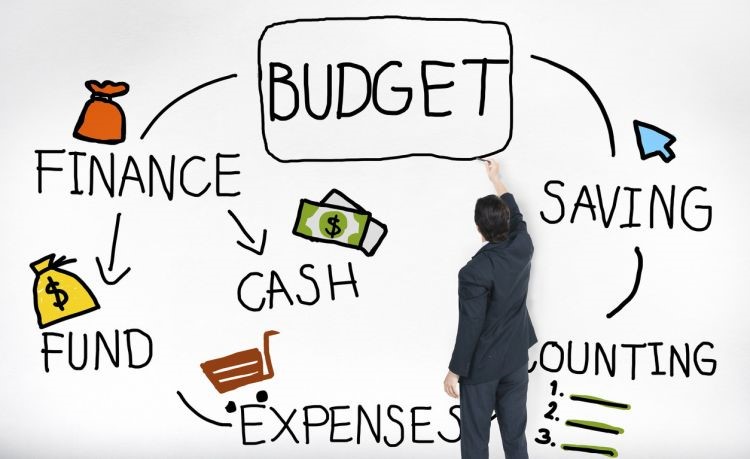
No matter if you are a still a teen and do not have a job, still you may already have some money from your weekly allowances, pocket money from parents, money received from relatives on birthday, results and achievements etc. and you may get a part-time job when you get older. If you create a monthly budget it would be the best method for managing the finance, start making a record of all your sources and amounts of money, then list down how much should be saved and how much should be used for expenses. Saving goals should be set, in order to balance the budget which is the key to money management.
Money management as a teenager is tough, especially when your friends are purchasing new goods, luxury items and are hanging out. But it is still not impossible. Following are some saving tips for teens.
- Setting up a savings accounts:
You should not wait until you are self-dependent to establish bank accounts. Set up a checking and savings account for yourself and learn the basic purposes of these accounts, such as checks writing, saving methods, making debit charges, and online bill payment methods along with other key features.
Opening up a checking and savings accounts can help you in establishing a link with a local financial association, while also making you familiar with the most important financial services you will ever use.
- Separating the spending money from your savings:
Although you have saved the money in a savings account you might feel like spending that money if you have run out of cash right, but the rule is not to spend it for sake of fun. Your savings are for emergencies and essentials not for un-necessary stuff like fancy food etc. The smart thing to do is to have a checking and a direct payment account which can be accessed on demand. You can always start from a student checking account and put some of your extra money in it which might seem a bit more than your expenditures.
- Getting a summer job
If you are mature enough, getting a summer job might help you to earn and save some cash whenever possible. If you do not have any important plans for your summer break, it is a best opportunity to make money. It helps in filling your bank account while waiting for the re-opening of schools. Summer jobs also provide excellent sources to gain experience. They can assist you get even better job in the future that offers higher wages.
- Being a Smart Shopper:
Before visiting markets plan ahead what you really need to buy and keep yourself clear that you are not going to buy un-necessary stuff, as it will only result in wastage of money that can be kept for later use. Consider buying economical food stuff, having healthy ingredients such as eggs, lentils and beans. Eating before going for shopping helps to avoid purchasing expensive snacks. Before buying your required stuff compare the prices online, especially the prices of clothing and shoes, it helps in finding economical stuff.
- Studying Savings and Investments:
Having enough knowledge about when to save, when to expand and when, where and how to invest can be a game changer for most of the teens, getting yourself enrolled in finance management courses in schools is always helpful regardless of the fact that you are still a teen and not independent, this will result in long term benefits.
- Creating a Budget:
No matter if you are a still a teen and do not have a job, still you may already have some money from your weekly allowances, pocket money from parents, money received from relatives on birthday, results and achievements etc. and you may get a part-time job when you get older. If you create a monthly budget it would be the best method for managing the finance, start making a record of all your sources and amounts of money, then list down how much should be saved and how much should be used for expenses. Saving goals should be set, in order to balance the budget which is the key to money management.